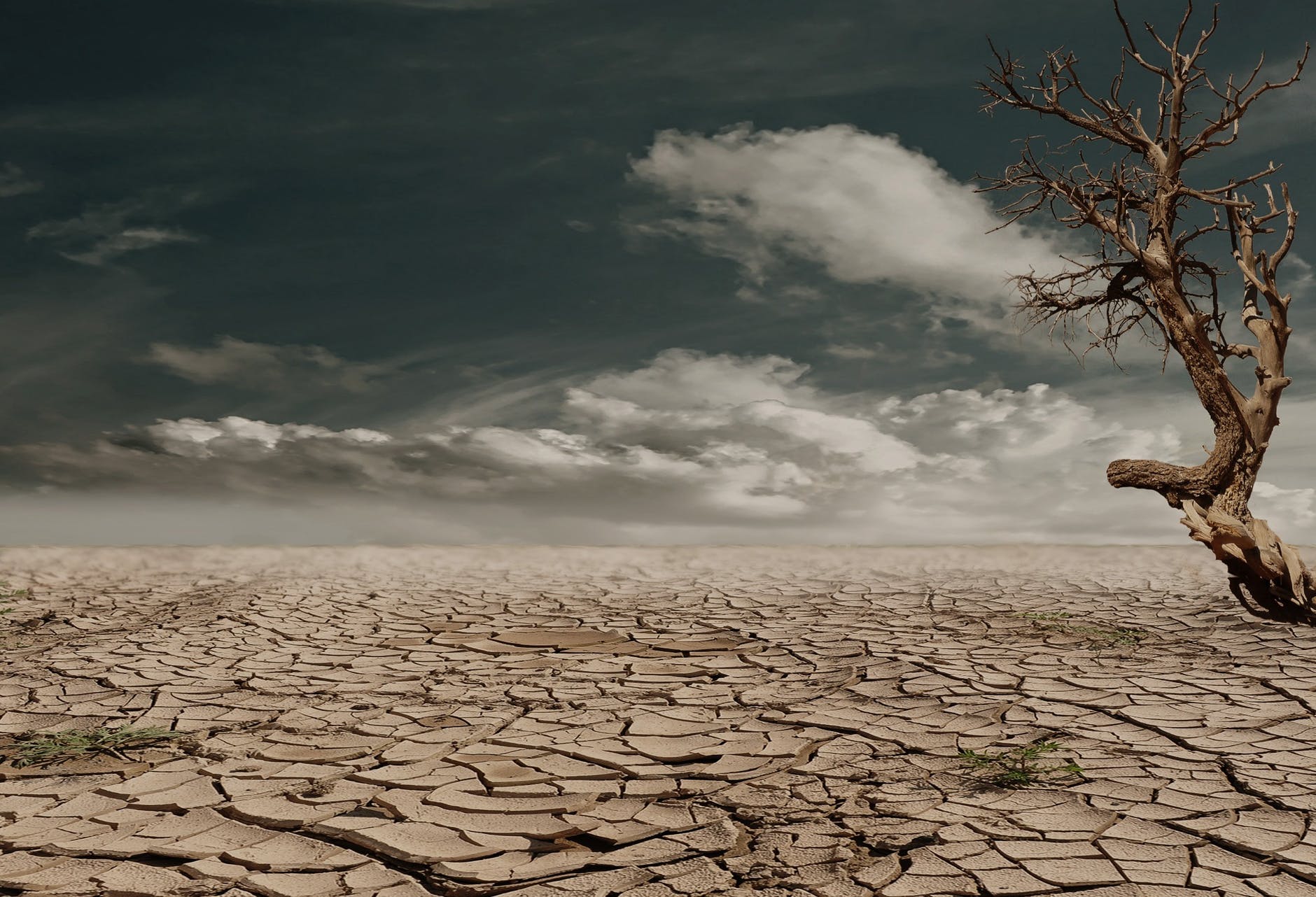
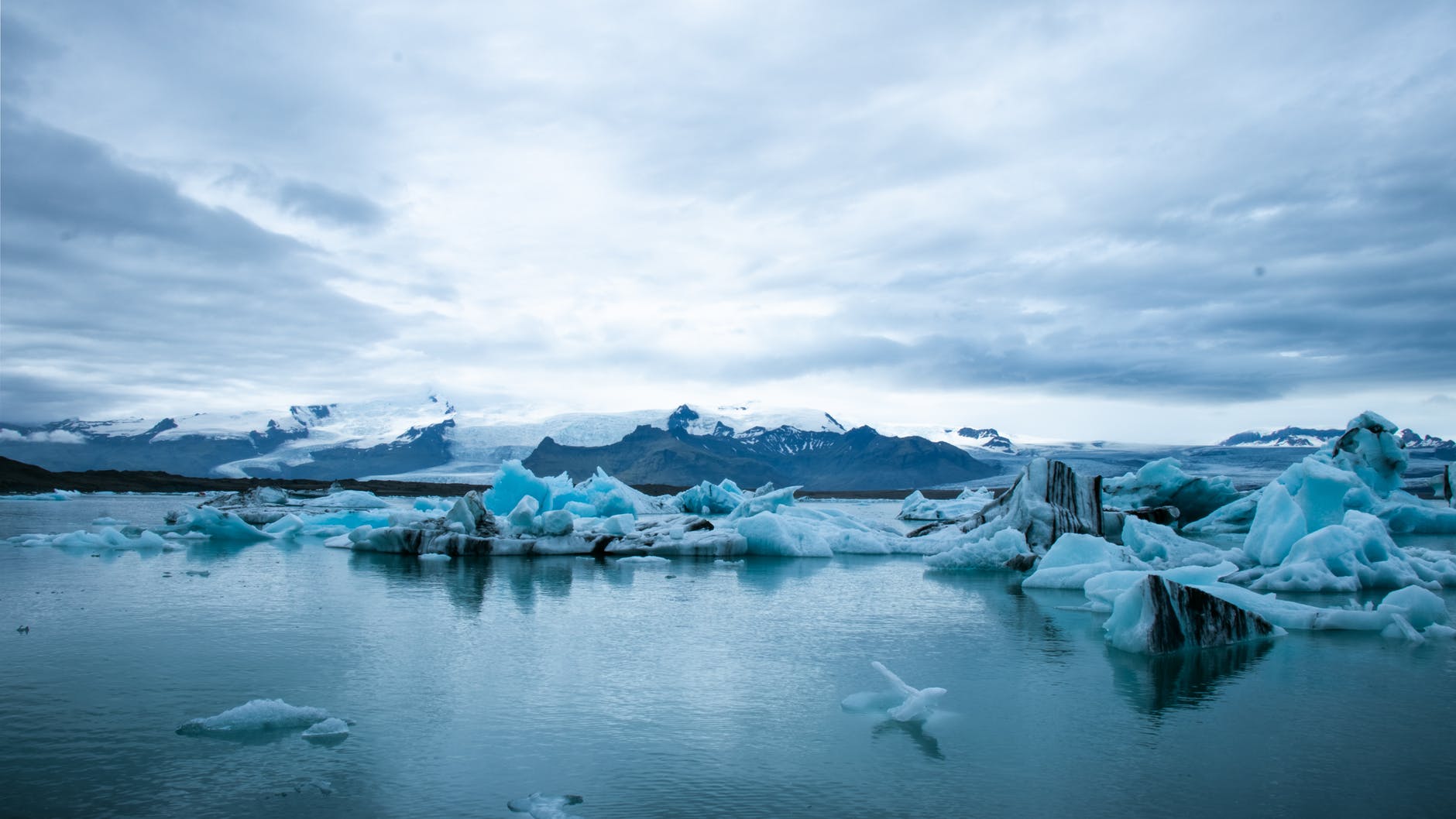
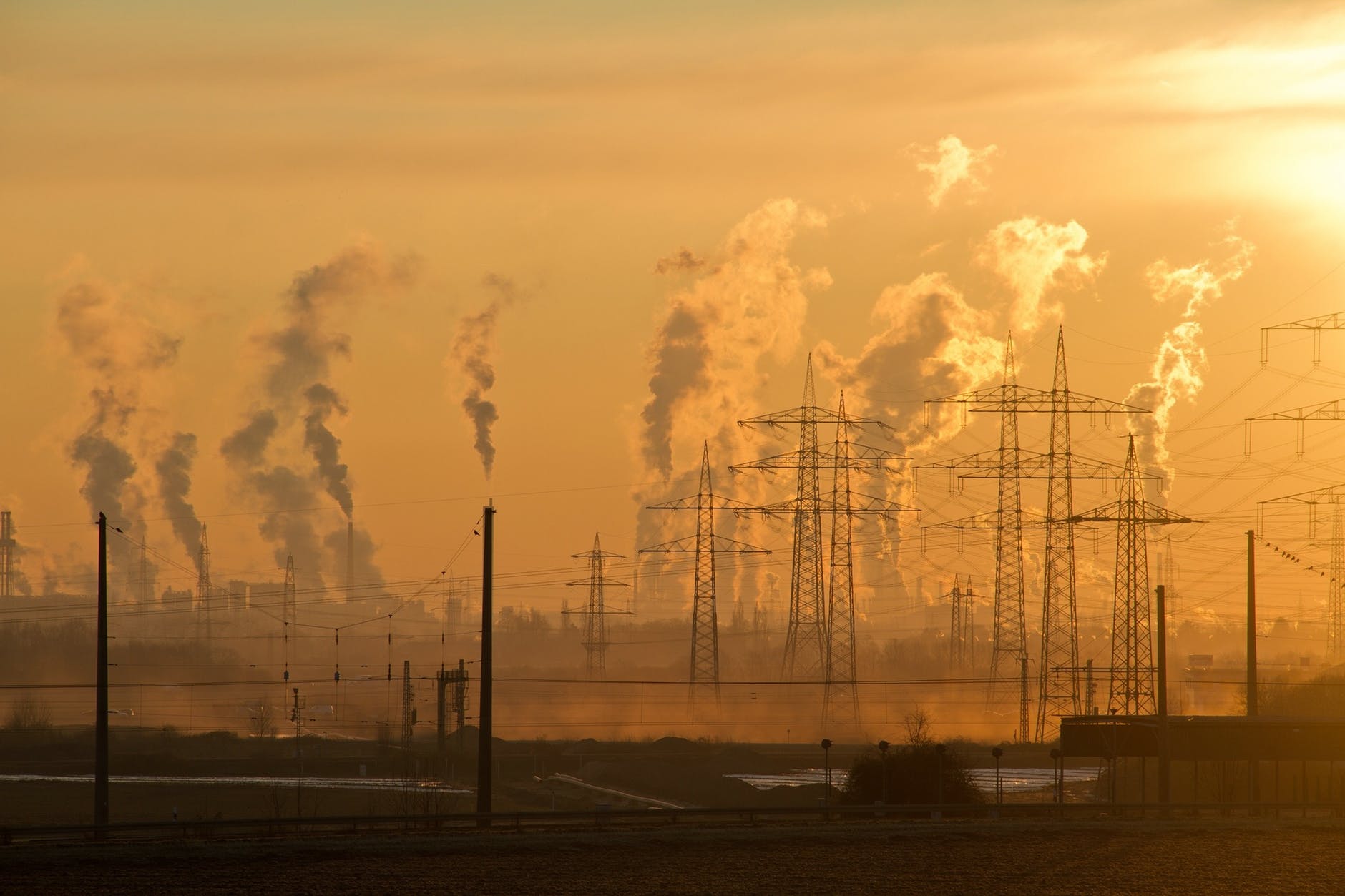
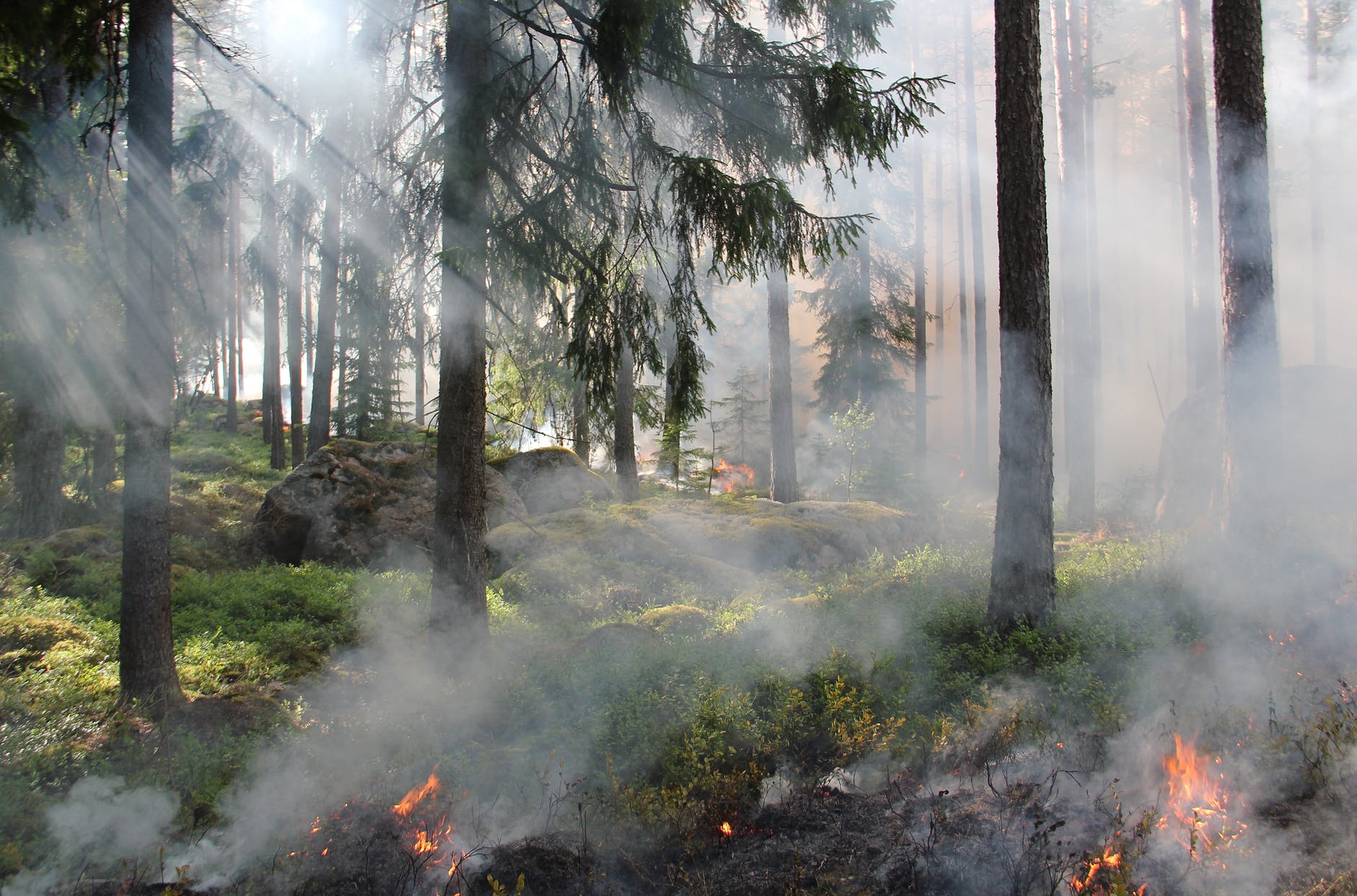
The most familiar measure of that health, for humans at least, would be around the easily recognizable topic that is known as climate change (mostly due to global warming). For some reason, what most people would think about global warming would be the ice caps melting, warmer weather, pollution or fossil fuels – all too familiar. We think of them as far away stuff that you and I were vaguely responsible for, just to say “whoops! I’ll do better next time.” So now, because of our sober way of thinking, we had to wait for Greta Thunberg to be pulled out of school and talk global about something that we should already be aware of. Kidding aside, the 17-year-old advocate is who we should be modeling ourselves into.
What is it about this topic that we have to be aware of? As Greta points out to world leaders during her speech (transcript) at the UN Climate Action Summit, we are all too oblivious of what really happens or what it would entail. When we look at the dilemma from afar, our knowledge about climate change is too conceptual to push us into action. “How dare you,” she exclaims. I could imagine myself continuing that for her, “how dare you to mislead us?” You could hear Earth scolding us too, “how dare you get drunk on those extravagant lifestyles, spending more than what you could earn?”
Greta continues to enumerate some figures that are so alarming, it starts to become (rightfully) dramatic. She points out that we have half the chance to reach the goals which we, the public, apparently do not even know. She accounts for gigatons of our carbon budget which would not last a decade because of the endless chain reactions of what we do. The most upsetting point is the fact that our generation will face the consequence, but we are looking away. So how is it that, young as she were, she knew a lot about this that we do not? What she has is the right background.
We have reason to believe her, being the descendant of Svante Arrhenius, the Nobel laureate for uncovering a lot about the effects of atmospheric carbon dioxide (“What does Greta Thunberg want?“, 2019). She learned early at age 8 about climate change and has since then believed that we could do more and move quicker, voicing out to schools and governments that there are no gray areas when it comes to climate change (“10 facts about Greta Thunberg“, 2020). That background undoubtedly would make someone act.
We do not necessarily have to have that much personal history but being put into context should do the job. There is so little about our education as students, consumers or mere individuals to comprehend what is happening. What an individual like me should do is to critically think and observe: why don’t most schools have environmental education programs? Why do we post ecolabels when consumers do not know what to make of them? Why don’t we speak more publicly about this? Why do we say it to the minority who already knows it? Why don’t we learn early on that it is “our house” that is on fire? So, even though her speech targets the leaders and their inaction, it all boils down to what they would tell us to do.
What we should know is that we should prepare ourselves to listen intently as our leaders and scientists prepare to speak so that when the time comes, we will not wait for which one of us would start the action. What we should do is to make ourselves self-aware (not just sober) and tell the world the truth even if it would be daunting. Because truthfully, many people do not even believe that climate change is very real. What I could do that you could too is to look into my potential to spend our carbon budget wisely, speak with the government especially as learners, and just know that we are talking about our home here. For that, we already have the basic tools and resources.
Instead of looking for hope, look for action.
Greta Thunberg, 2018
 DandandanDalandan